
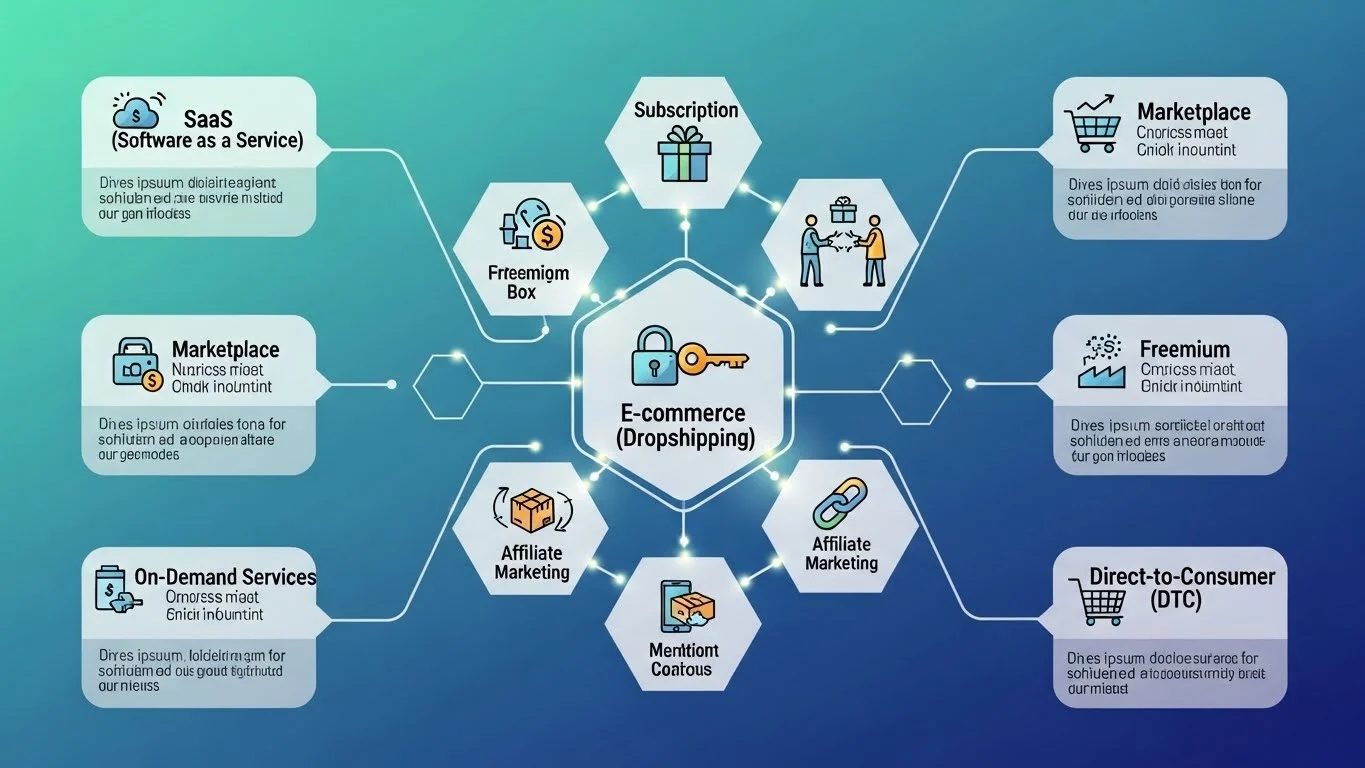
Starting a new business is exciting, but it can also feel confusing. Many people have good ideas, but they are not sure how to make money from them. This is where a business model becomes important. A business model is a simple plan that explains how a business earns money.
For startups, choosing the right business model can make the difference between success and failure. In this article, we will explore some profitable business models for startups in an easy and clear way. This guide is perfect for beginners who want to understand how startups can grow and earn profits.
Selling Products Directly to Customers
One of the easiest business models to understand is selling products directly to customers. In this model, a startup creates or buys a product and sells it to people for a profit. This can be done online or in a physical store. Many small businesses start this way because it is simple and clear.
For example, a startup can sell clothes, handmade items, food products, or simple tools. The goal is to buy or make products at a low cost and sell them at a higher price. The difference between the cost and the selling price is the profit. This model works well when the product solves a real problem or makes life easier for people.
Startups using this model must focus on good quality and fair prices. Happy customers often come back and also tell others about the product. This helps the business grow naturally. Selling products directly also allows startups to understand customer needs better and improve their offerings over time.
Offering Services for a Fee
Another profitable business model for startups is offering services. Instead of selling a product, the startup sells skills or time. This model is popular because it usually needs less money to start. Many service-based startups begin with just one person and grow slowly.
Examples of services include writing, graphic design, teaching, cleaning, repair work, and social media help. In this model, customers pay for the service they receive. The startup earns money based on the number of clients or hours worked.
This model works best when the service is clear and valuable. Startups should focus on doing good work and building trust. When customers are satisfied, they are more likely to return and recommend the service to others. Over time, a service-based startup can grow by hiring more people or offering new services.
Subscription-Based Business Model
The subscription model is another strong and profitable option for startups. In this model, customers pay a small amount of money regularly, such as weekly, monthly, or yearly. In return, they receive a product or service on a regular basis.
Common examples include online learning platforms, fitness programs, food boxes, and digital tools. This model is popular because it creates steady income. Instead of waiting for one-time sales, startups receive money again and again from the same customers.
For this model to work, the startup must offer ongoing value. Customers will only keep paying if they feel the service or product is useful. Clear communication and good customer support are very important here. When done well, subscription models help startups plan better and grow faster.
Online Marketplace Model
An online marketplace is a platform where buyers and sellers meet. The startup does not sell its own products. Instead, it helps others sell and earns money by charging a small fee. This model is used by many successful companies today.
For example, a startup can create a website where people sell handmade goods, second-hand items, or local services. The startup earns money by taking a small cut from each sale or charging sellers to list their items.
This model works well because the startup does not need to manage products or inventory. The main focus is on building a safe and easy platform. Trust is very important in this model. When users feel safe, they use the platform more. As more people join, the marketplace becomes more valuable and profitable.
Advertising and Content-Based Model
The advertising model is common for startups that create content. This includes blogs, videos, podcasts, or social media pages. In this model, the startup offers free content to attract people. Once there are many viewers or readers, the startup earns money through ads.
Companies pay to show their ads to the audience. The more people visit the platform, the more money the startup can earn. This model takes time, but it can be very profitable in the long run.
To succeed, startups must create helpful and interesting content. The content should solve problems or entertain people. Trust is important here too. If the audience likes the content, they will keep coming back. Over time, this steady attention turns into income through advertising deals.
Conclusion
Choosing the right business model is a key step for any startup. There is no one perfect model for everyone. Some startups do well by selling products, while others succeed by offering services or subscriptions. Online marketplaces and content-based models are also powerful options. The most important thing is to understand customer needs and offer real value. With patience, hard work, and the right plan, startups can grow and become profitable over time. A simple and clear business model is often the best place to begin.

I started Riddlistic.com to share riddles that are fun, tricky, and make you think. 🧠✨My goal is to entertain and challenge you with every riddle you solve! 🎉